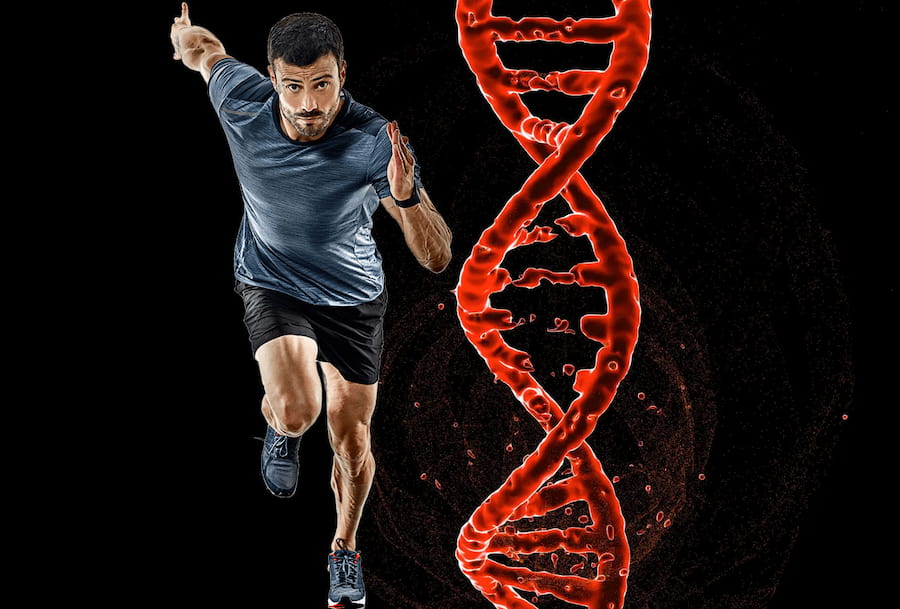
Are you tired of generic workout routines and one-size-fits-all nutrition plans? It’s time to revolutionize your fitness journey with the power of DNA testing. Your unique genetic makeup holds the key to optimizing your exercise and nutrition for maximum results.
Imagine having a personalized training plan tailored to your specific genetic strengths and weaknesses. No more guesswork or wasted time on ineffective exercises. With DNA testing and ems fitness, you can unlock the secrets of your genes and take control of your fitness like never before.
Say goodbye to the days of struggling to see results despite your best efforts. Personalized training plans based on genetic insights are the future of fitness, allowing you to achieve your goals faster and more efficiently than ever before.
Don’t settle for mediocre results. Embrace the power of DNA testing and unlock your full fitness potential today.
The Power of DNA Testing
DNA testing has come a long way in recent years. It’s no longer just a tool for ancestry research or medical diagnostics. Now, genetic methylation test can provide valuable insights into an individual’s fitness potential, exercise response, and nutritional needs.
By analyzing specific genetic markers, these tests can determine factors such as muscle fiber composition, injury risk, and even the most effective types of exercise for your body.
How DNA Testing Works
The process of DNA testing for fitness is relatively simple. Typically, a saliva sample is collected and sent to a laboratory for analysis. The lab then examines specific genetic markers associated with fitness traits, such as power, endurance, and recovery.
The results are compiled into a comprehensive report that provides personalized recommendations for exercise, nutrition, and recovery based on your unique genetic profile.
The Benefits of Personalized Training Plans
Personalized training plans based on DNA testing offer numerous benefits. By tailoring your workouts to your genetic strengths and weaknesses, you can optimize your results and minimize the risk of injury.
For example, if your DNA test reveals that you have a higher proportion of slow-twitch muscle fibers, your personalized training plan may emphasize endurance-based exercises like long-distance running or cycling. On the other hand, if you have a higher proportion of fast-twitch muscle fibers, your plan may focus on explosive movements and strength training.
Choosing the Right DNA Testing Service
With the growing popularity of DNA testing for fitness, there are now many companies offering these services. When choosing a DNA testing service, it’s important to look for a company that uses reputable laboratories and offers comprehensive genetic analysis. Look for a company like GENEFIT that provides detailed reports with actionable insights and personalized recommendations for exercise and nutrition.
It’s also important to choose a company that prioritizes data privacy and security. Make sure that the company you choose has strict policies in place to protect your genetic information and that they will not share your data with third parties without your consent.
Incorporating DNA-Based Insights into Your Fitness Routine
Once you have received your DNA test results and personalized recommendations, it’s important to incorporate these insights into your fitness routine. Work with a qualified fitness professional who can help you interpret your results and create a customized training plan that takes into account your unique genetic profile.
Remember that DNA testing is just one piece of the puzzle when it comes to optimizing your fitness. Other factors, such as your age, lifestyle, and overall health, also play a role in determining your fitness potential and response to exercise. Use your DNA test results as a starting point, but be sure to listen to your body and make adjustments as needed.
The Future of Personalized Fitness
As DNA testing becomes more accessible and affordable, the future of personalized fitness looks bright. In the coming years, we can expect to see more gyms and fitness centers offering DNA testing as part of their onboarding process.
Personal trainers and coaches will increasingly use genetic insights to create customized workout plans for their clients. As the science of genetics continues to evolve, we may even see the development of gene-based supplements and nutrition plans that optimize our health and fitness at a cellular level.
Conclusion
In conclusion, DNA testing is revolutionizing the way we approach fitness and exercise. By unlocking the secrets of our genes, we can create personalized training plans that optimize our results and minimize the risk of injury. Leading companies in this exciting new field offer comprehensive DNA testing services and ongoing support to help individuals achieve their fitness goals.
As more people discover the benefits of personalized training plans based on DNA testing, we can expect to see a shift in the fitness industry towards a more individualized approach. Gone are the days of one-size-fits-all workout routines and generic nutrition advice. The future of fitness is personalized, and DNA testing is the key to unlocking our full potential.
If you’re looking to take your fitness journey to the next level, consider investing in a DNA test with a reputable company. With their expert guidance and personalized recommendations, you can achieve your goals faster and more efficiently than ever before. Whether you’re a seasoned athlete or just starting on your fitness journey, the power of personalized training plans based on DNA testing is undeniable.
So why wait? Unlock the secrets of your genes and start optimizing your fitness today. With the help of reputable DNA testing companies, you can take control of your health and wellness like never before. The future of fitness is here, and it’s time to embrace it.
Did you find this helpful? Check out our other helpful articles on our website.
Read Also
- Full-Arch Dental Tourism: Why UK Patients With Severe Bone Loss Are Looking Abroad
 Dental implants have become one of the fastest-growing segments of private dentistry. Within that market, one patient group behaves very differently from the rest: people who have been told they do not have enough upper jawbone for conventional implants. For these patients, the choice is rarely between one clinic and another. It is between a… Read more: Full-Arch Dental Tourism: Why UK Patients With Severe Bone Loss Are Looking Abroad
 - Levels of Mental Health Care and When to Seek SupportMental health care can range from occasional outpatient appointments to 24-hour hospital treatment. The appropriate level depends on safety, symptom severity, daily functioning, medical needs, available support, treatment history and personal preferences. A licensed clinician should assess these factors rather than relying on a symptom list alone. Need help now? In the United States, call… Read more: Levels of Mental Health Care and When to Seek Support
- How to Choose a Shilajit Brand Based on the ResearchIn a randomized trial published in the Journal of the International Society of Sports Nutrition in 2019, 63 active men took 250 mg of standardized shilajit, 500 mg, or a placebo every day for eight weeks, and the benefit for strength retention after a fatiguing workout appeared only at 500 mg. For anyone choosing a… Read more: How to Choose a Shilajit Brand Based on the Research
- How to Incorporate Relaxation into Your Busy ScheduleFinding balance when you have a packed daily agenda often feels out of reach. Between work duties, family obligations, and personal projects, personal rest usually gets pushed to the bottom of the list. Small, intentional shifts in daily habits can help restore calm without requiring hours of extra free time. Continue reading to discover everything… Read more: How to Incorporate Relaxation into Your Busy Schedule
- Red Light Therapy for Skin and Wellness: Meet Vital Red Light TherapyModern wellness is not always about complicated treatments or long routines. Many people are now looking for simple, convenient ways to support their skin, recovery, and overall wellness at home. One technology getting more attention is red light therapy. Red light therapy uses specific wavelengths of red and near-infrared light to support the body’s natural… Read more: Red Light Therapy for Skin and Wellness: Meet Vital Red Light Therapy
- Managing Shock Loss After a Hair Transplant: The Financial and Clinical Imperative of Post-Op CareIn the rapidly evolving landscape of private healthcare, executive leadership within cosmetic and restorative surgery clinics faces a dual challenge: maintaining strict clinical standards while maximizing patient lifetime value (LTV) and brand advocacy. As the global medical tourism and elective procedure markets expand, clinical outcome quality alone is no longer the sole differentiator for premium… Read more: Managing Shock Loss After a Hair Transplant: The Financial and Clinical Imperative of Post-Op Care
- Transform Your Skin Health: Premier Gluta IV Therapy in DubaiThis comprehensive guide explores how modern intravenous wellness treatments can help revitalize your complexion, boost immune function, and support overall cellular health. By incorporating modern IV therapy Dubai services into a routine health regimen, individuals can achieve direct nutrient absorption for optimal results. Selecting a customized gluta IV drip Dubai treatment provides targeted antioxidant defense,… Read more: Transform Your Skin Health: Premier Gluta IV Therapy in Dubai
- The Evolution of Dental Prosthetics: Innovation in Oral HealthDental replacements have improved a lot over time. Smiling, chewing, and speaking depend on having healthy teeth. When teeth break or go missing, today’s options can restore both function and confidence. Modern techniques make these replacements feel and look completely natural. Ancient Roots Of Tooth Replacement People have tried to replace lost teeth for thousands… Read more: The Evolution of Dental Prosthetics: Innovation in Oral Health